03-11-2008, 01:01 PM
I think this method will be very helpful... and I assume you have already thought of this:
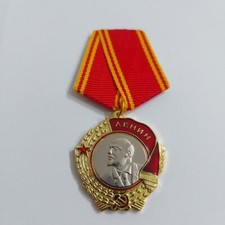
It would seem to me that one needs to know the exact ingredients of each "batch" of gold alloy, to insure that Ag (Silver) isn’t apart of that batch's original alloy… or one may introduce bias into one’s conclusions as to measuring the remnants of a silver coating.
Or:
If one takes multiple samples across the surface, and finds large silver free zones along with the indication of silver in the “no wear” zones, then one can conclude the evidence of silver plating.
Knowing the alloy would rule out the possibility of non-homogeneous mixes, to know if silver could contaminate your readings by being apart of some or all of the alloys used, and having to make "large" samplings of these older OL to demonstrate your point.
"Те, кто забывает историю, обречены повторить это снова."