

05-02-2010, 06:11 PM
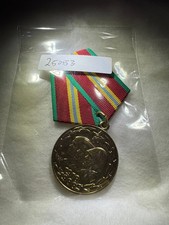
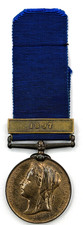
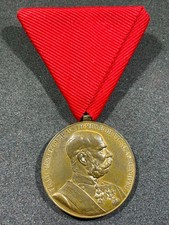
Here's a Customs Medal for long service
 Jubilee Medal "10 Years Of Distinction In The State Customs Committee".
|
Jubilee Medal "10 Years Of Distinction In The State Customs Committee".
|
05-03-2010, 05:02 AM
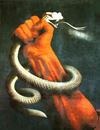
After the Soviet Union dissolved, I first saw this symbol and for the longest time couldn't keep from thinking it had to do with medicine - but that's the snake and the cup for them. Nice and simple medal - and simple is good these days.:thumbsup
Phillip
Phillip

05-03-2010, 06:34 AM
I used to think that this symbol was also associated with things medical but I was soon corrected when I started teaching medical students.
The caduceus is typically depicted as a short herald's staff entwined by two serpents in the form of a double helix, and is sometimes surmounted by wings. In Greek mythology it was carried by Iris, the messenger of Hera. It was also called the wand of Hermes when he superseded Iris in much later myths. The caduceus is sometimes erroneously used as a symbol for medicine, especially in North America, due to confusion with the traditional medical symbol, the rod of Asclepius, which has only a single snake and no wings. The 1902 adoption of the caduceus for U.S. Army medical officer uniforms erroneously popularized the symbol throughout the medical field in the US. The rod of Asclepius is an ancient symbol associated with astrology, the Greek god Asclepius, and with medicine and healing. It consists of a single serpent entwined around a staff. The name of the symbol derives from its early and widespread association with Asclepius, the son of Apollo, who was a practitioner of medicine in ancient Greek mythology. His attributes, the snake and the staff, sometimes depicted separately in antiquity, are combined in this symbol. Hippocrates himself was a worshipper of Asclepius. In Roman iconography the caduceus was often depicted being carried in the left hand of Mercury, the messenger of the gods, guide of the dead and protector of merchants, shepherds, gamblers, liars and thieves. Perhaps this is why it is associated with the customs service! Simon
05-04-2010, 03:32 AM
Thank you Simon. Tons of useful information there. Interestingly enough, it seems the Soviets had the correct symbolism after all - see post #5 of this thread: http://www.soviet-awards.com/forum/sovie...ignia.html
This is what I was thinking of when I mentioned the snake and the "cup" above. Liars and thieves in the customs service? Never! I say.:rolleyes::chuckle With the possible exception of British Customs, I think every country has at least some of these Mercury-protected folks working at their borders.:D Phillip
Phillip
|
|
« Next Oldest | Next Newest »
|