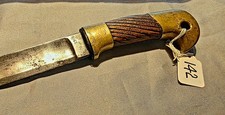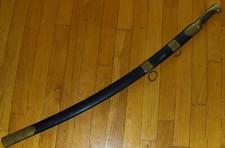


In the beginning of 1931 due to shortage of non-ferrous metals in USSR Zlatoust’s arms factory experimented with several possible substitutions for brass parts of M1927. In 1931 and 1932 they were trying to use soft iron, ductile cast iron and some other metals. For protection from corrosion they were trying to cover those parts with brass, zinc, bluing, nickel and chrome. Bellow is 1932 example of such experiments. In the end STO approved model with surrogate armature made from ductile cast iron and nickel’s protective cover. They were manufactured along with regular M1927 until 1938.
Due to less corrosion resistance some, but not all of them, were put to the less sever service’s conditions than army’s, which led some people (Kulinsky in particular) to believe that they were designed and manufactured specifically for NKVD. While in fact they were designed, manufactured and used in the Red Army with occasional use in other organizations.
Due to less corrosion resistance some, but not all of them, were put to the less sever service’s conditions than army’s, which led some people (Kulinsky in particular) to believe that they were designed and manufactured specifically for NKVD. While in fact they were designed, manufactured and used in the Red Army with occasional use in other organizations.